
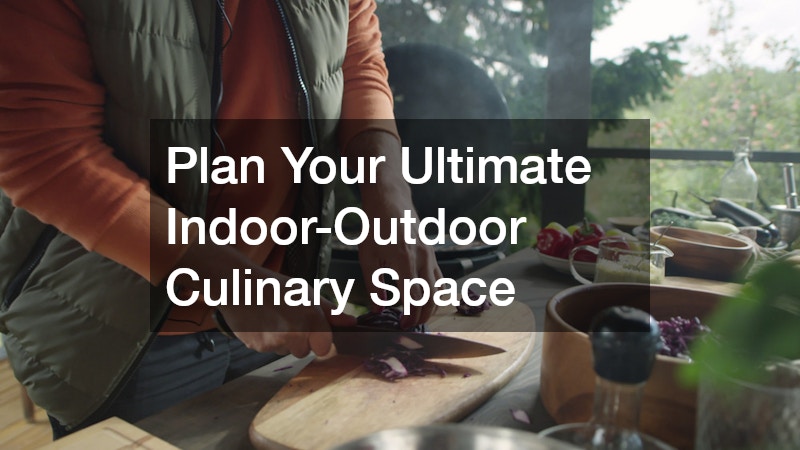
The modern American home is undergoing a fundamental shift in how we perceive square footage. The traditional boundary between the interior sanctuary and the exterior landscape is dissolving, replaced by a fluid concept of “living space” that moves effortlessly from the oven to the open air. For the dedicated home chef, this evolution represents the pinnacle of residential design: the integrated indoor-outdoor culinary suite. This isn’t merely about placing a rolling cart on a deck; it is about a sophisticated synchronization of architecture, utility, and lifestyle. Achieving this level of integration requires a professional mindset. It demands a move away from the “afterthought” mentality of backyard grilling toward a rigorous planning process that mirrors an interior remodel.
Assessing the Structural Foundation of Your Vision

The journey toward a professional-grade outdoor space begins from the ground up. You cannot build a luxury kitchen on a failing foundation. Just as you would ensure your interior subfloor is level before laying expensive tile, your outdoor site must be structurally sound and perfectly graded to handle the unique demands of heavy appliances and masonry.
Before any cabinetry arrives, a thorough inspection of your existing hardscaping is mandatory. If you notice settling or hairline fractures in your driveway or walkway, you must address concrete repair immediately. Neglecting these minor structural flaws now will lead to major headaches later, as the added weight of stone countertops and stainless steel grills can cause unstable ground to shift further, resulting in misaligned doors and drainage issues.
Furthermore, managing the topography of your lot is essential for creating a defined “room” feeling. If your yard has a significant slope, the installation of a high-quality retaining wall serves a dual purpose. It creates a flat, usable plateau for your cooking equipment while simultaneously acting as a beautiful architectural element that can double as extra seating for guests.
To ensure your foundation is ready for the “Pro” treatment, consider these structural prep steps:
- Perform a soil density test if you are planning heavy masonry structures.
- Identify the high and low points of your yard to map out natural water runoff.
- Check for underground utility lines before any heavy digging or grading begins.
- Ensure that any existing slabs have a slight 1% to 2% slope away from the house to prevent pooling.
Designing for Flow and Visual Harmony
A successful makeover is one where the guest doesn’t feel like they have “left” the house when they step outside. The goal is visual continuity. This is achieved by echoing the design language of your interior kitchen—colors, textures, and lines—in your exterior layout. When the eye sees a consistent palette, the two spaces feel like one massive, cohesive Great Room.
The most effective way to anchor this aesthetic is through a professional backyard design that prioritizes ergonomics. Think about the distance between your indoor refrigerator and your outdoor prep station. If you have to navigate a labyrinth of patio furniture to get a tray of steaks to the heat, the design has failed. Aim for a “hub and spoke” model where the back door acts as the central artery for your culinary activities.
Material choice is the second pillar of harmony. Integrating a stone patio that uses the same color family as your interior flooring creates a powerful “infinity” effect. Natural flagstone, slate, or travertine provides a rugged durability that handles the elements with ease while maintaining the sophisticated look of a high-end indoor kitchen.
When selecting your materials, keep these design principles in mind:
- Match your outdoor cabinet hardware to your indoor pulls for a subtle, professional touch.
- Use consistent lighting temperatures (e.g., 3000K warm white) for both interior and exterior fixtures.
- Select outdoor fabrics for your seating that mirror the accent colors used in your indoor backsplash.
- Ensure the “walkway” between zones is at least 48 inches wide to allow two people to pass comfortably.
Mastering the Complexity of Outdoor Plumbing

While the aesthetic design is what captures the attention of your guests, the hidden infrastructure is what actually makes the kitchen a functional workspace. Bringing water and waste management to an outdoor island is a complex logistical puzzle that requires early intervention from experts who understand the nuances of exterior utility runs. You must treat the backyard with the same technical rigor as an indoor kitchen to avoid drainage failures or costly pipe bursts during the winter months. Consulting with a local plumber is perhaps the most critical step in the initial planning phase of your makeover.
Moving water outside is far more involved than simply T-tapping a garden hose; it requires the installation of dedicated supply lines and a frost-proof drainage system. A professional will ensure that your sink is properly vented and that the pipes are buried below the local frost line to prevent structural damage when the temperature drops. Installing a point-of-use water heater specifically for the outdoor station allows for instant, on-demand hot water right where you need it most.
Powering Your Vision with Expert Electrical Planning
From high-speed blenders and rotisserie motors to wine fridges and integrated sound systems, your backyard power grid must be robust and resilient. Because water and electricity are a volatile mix in an open-air environment, this phase of the project allows no room for DIY shortcuts.
A comprehensive electrical repair or new circuit installation should be performed by a licensed technician to ensure your system meets current safety codes. All exterior outlets must be GFCI-protected and housed in weather-tight enclosures to prevent short circuits during heavy rain or snow. By planning for at least two dedicated 20-amp circuits, you ensure that you won’t trip a breaker when you try to run the outdoor refrigerator and the pizza oven lights at the same time.
Lighting is the other half of the electrical equation, turning a daytime cooking area into a dramatic evening entertaining space. Task lighting over the grill, ambient toe-kick lighting for safety, and accent lights for your landscaping all require careful routing and waterproof connections. When your electrical backbone is professionally installed, your kitchen becomes a reliable, high-performance extension of your home that functions perfectly in any season.
Consider these technical utility details for your master checklist:
- Ensure all outdoor gas lines have an accessible, clearly marked shut-off valve near the house.
- Install a “dry well” or connect directly to the main sewer line for sink drainage, depending on your local municipal codes.
- Incorporate an outdoor-rated Wi-Fi extender to ensure your smart grills and sound systems stay connected.
- Mount a weather-proof television or projector outlet in a shaded area to prevent glare and overheating.
Enhancing Comfort and Environmental Control
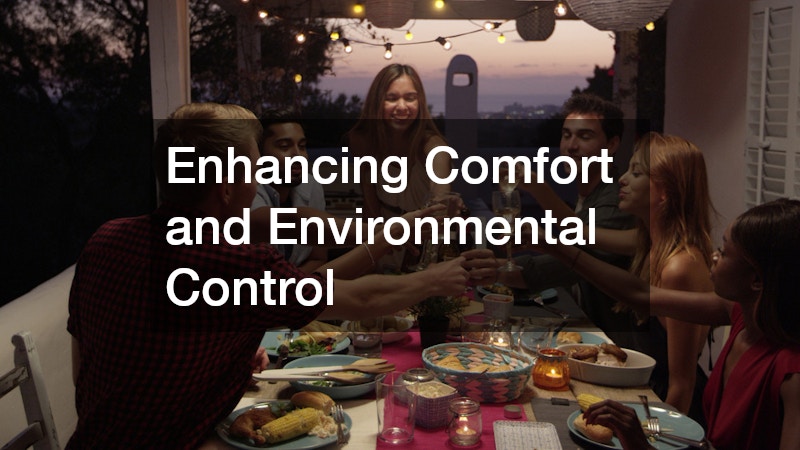
The biggest threat to your indoor-outdoor lifestyle isn’t a bad recipe; it is the weather. To truly maximize your investment, you must treat the environment as a variable that can be controlled. If the sun is too hot or a drizzle begins, your party shouldn’t have to retreat indoors.
Professional-grade patio coverings are the primary defense against the elements. Whether you opt for a permanent roof extension that matches your home’s shingles or a modern louvered pergola system, overhead protection is vital. It shields your stainless steel from UV damage and keeps the chef cool during the peak of a summer afternoon.
Safety must also be prioritized when dealing with outdoor power. Any electrical repair or new wiring must be executed by a professional who uses weather-sealed boxes and GFCI outlets. This is especially important near “wet zones” like sinks or pool edges, where the risk of short-circuiting is highest.
To make the space usable for more months of the year, consider these comfort upgrades:
- Integrated ceiling fans to circulate air and discourage flying insects.
- Infrared heaters mounted to the ceiling for chilly autumn evenings.
- Motorized solar shades that can be lowered when the sun hits a certain angle.
- Built-in speakers that are weather-rated for high-fidelity sound without wires.
Precision Engineering for Outdoor Durability
An outdoor kitchen exists in a state of constant battle with the natural environment, where moisture and temperature fluctuations test the limits of your building materials. A Kitchen Pro makeover involves selecting surfaces and cabinetry that minimize the daily chores associated with owning an exterior suite. When the structural components are engineered to withstand the elements, you spend less time scrubbing and more time enjoying the craft of cooking.
The specific details of your outdoor kitchen installation will determine how well the space ages over the next decade. High-quality 304-grade stainless steel is the industry gold standard because its high chromium and nickel content prevents the pitting and rusting common in cheaper alloys. When combined with non-porous surfaces like Dekton or porcelain, you create a workspace that is essentially impervious to the rain, snow, and UV rays that would destroy a standard indoor setup.
Hygiene is the second half of the durability equation, as exterior surfaces are prone to collecting pollen and windblown debris. Choosing cabinetry with tight-fitting gaskets and weather-sealed doors ensures that your plates and pans stay clean between uses, regardless of the weather outside. Because these materials do not absorb liquids, they can be hosed down and sanitized in minutes, maintaining a level of food safety that mirrors your indoor environment.
To ensure your investment stands the test of time, focus on these longevity factors:
- Select cabinetry with marine-grade finishes if your home is located near salt air or high-humidity zones.
- Incorporate “toekicks” made of stainless steel or stone to prevent water from pooling underneath your appliance bases.
- Use integrated furniture covers made of breathable, solution-dyed acrylic to protect your finishes from abrasive dust.
- Inspect all silicone seals around sinks and cooktops annually to prevent water from seeping into the internal framing.
Protecting Your Sanctuary from Local Wildlife

Beyond the weather, your kitchen must be defended against the local biology that is naturally drawn to the heat and aromas of a cooking zone. The smell of searing protein or the warmth of a refrigerator compressor can act as a magnet for critters looking for a meal or a nesting site. Designing your space with a “pest-proof” mindset is a hallmark of a professional-grade installation.
Engaging reliable pest control services on a quarterly basis is an essential component of a high-end maintenance plan. A professional technician can apply eco-friendly barriers around the perimeter of your patio to discourage ants, spiders, and rodents from encroaching on your prep surfaces. This proactive approach prevents the frustration of opening a cabinet to find a wasp nest or finding that a mouse has chewed through your internal wiring.
In addition to professional treatments, your daily habits play a major role in keeping the space sanitary and guest-ready. Ensuring that all food scraps are disposed of in sealed, outdoor-rated trash receptacles is the first line of defense against unwanted visitors. When your maintenance routine is synchronized with seasonal professional inspections, you create a culinary sanctuary that remains clean, safe, and entirely under your control.
Implement these sanitation and protection habits to keep the wildlife at bay:
- Clear all grease traps and drip trays immediately after every cooking session to remove scent trails.
- Store all dry goods and spices in airtight, rodent-proof containers inside your cabinets.
- Install ultrasonic repellers or yellow-spectrum “bug lights” to reduce the number of flying insects attracted to your evening prep work.
- Periodically check the rear of your appliances for signs of nesting or debris that could block airflow and attract pests.
The transition from a standard kitchen to a professional indoor-outdoor culinary space is a journey of precision and passion. By shifting your focus toward structural integrity, utility coordination, and environmental comfort, you create a space that transcends the ordinary. It becomes a place where the barrier between the chef and the guests disappears, and the beauty of the natural world enhances every meal.
When you invest the time to plan the technical foundation and the aesthetic flow simultaneously, you ensure that your makeover is more than just a cosmetic change. You are building a legacy of hospitality and a sanctuary for your family. With the right professionals by your side and a commitment to quality materials, your ultimate culinary space will serve as the heart of your home for decades to come. Now is the time to step outside and begin the transformation.