

Real estate valuation hinges heavily on the condition, functionality, and aesthetic appeal of the cooking and preparation spaces. Buyers and valuation experts often treat this central room as the primary indicator of a property’s overall maintenance level. A pristine, highly functional layout can spark bidding wars and drive up the final sale price, while a neglected one can stall negotiations and lead to lowball offers. Achieving a premium listing requires balancing invisible mechanical repairs with high-impact visual upgrades. Prioritizing functional stability before investing capital into high-end finishes ensures that aesthetic improvements are not undermined by failing infrastructure.
When buyers step into a home, they perform an immediate, subconscious cost analysis. If they see peeling caulk, smell faint musty odors, or notice flickering lights, they begin deducting thousands of dollars from their potential offer. The goal of preparing a home for the market is to remove every single objection before a buyer can formulate it. This requires a forensic approach to property maintenance.
Eradicate Hidden Water Hazards and Protect Infrastructure

Water damage is a silent equity killer that can rapidly deteriorate cabinet boxes, subfloors, and foundational joists. Inspecting the under-sink environment is the first critical step in preparing a property for the market. Look for subtle signs of moisture, such as swollen medium-density fiberboard (MDF) cabinet bases, dark water stains on the back wall, or active drip leaks that signal failing pipe connections or degraded sealant around the heavy sink basin.
-
Audit the Plumbing Lines: Inspect the P-trap, supply lines, and garbage disposal connections for corrosion or weeping joints. Replacing aging rubber gaskets, upgrading plastic supply lines to braided stainless steel, or tightening slip nuts takes minutes but prevents catastrophic leaks that ruin open houses.
-
Clear Plumbing Bottlenecks: Address slow-moving water immediately by snaking the line or hydro-jetting the pipes. An untreated clogged drain creates stagnant water and foul odors that will immediately repel prospective buyers during a walk-through, signaling deeper, systemic plumbing neglect.
-
Protect the Cabinet Base: Consider installing a custom-fit, waterproof silicone drip mat at the base of the sink cabinet. This inexpensive addition shows buyers that you are proactive about protecting the cabinetry from accidental spills and everyday wear.
-
Anticipate the Inspection: Valuation experts actively look for signs of historical water damage, probing baseboards and cabinet floors with moisture meters. If plumbing maintenance appears deferred, local home appraisers will heavily penalize the property’s overall valuation, citing the high financial risk of hidden mold, structural rot, or compromised subflooring.
Restore and Deep-Clean High-End Cooking Equipment
Appliances serve as the functional and visual core of the room. Buyers mentally calculate the cost of replacing older units the moment they walk through the door. Test refrigerator seals by closing a dollar bill in the door; if it slips out easily, the magnetic gasket is failing and leaking cold air, forcing the compressor to run continuously. Verify oven thermostats with an internal oven thermometer to ensure they reach and hold the correct baking temperatures, and run the dishwasher through a heavy cycle to check for unusual grinding noises, drainage failures, or rack rust.
-
Address Mechanical Failures: Broken equipment should never be left for the next owner to inherit, as it signals a lack of basic home care. Hiring a qualified appliance repairman to replace failing ice makers, fix erratic gas burners, calibrate oven sensors, or install a new control board on a dishwasher is a high-ROI maintenance task that preserves the listing price and speeds up the inspection contingency phase.
-
Maintain Refrigerator Coils: Pull the refrigerator away from the wall and vacuum the condenser coils. Dust-caked coils force the machine to work harder, reducing its lifespan and increasing ambient heat and noise in the room.
-
The Psychology of Cleanliness: Pristine, fully functional white goods subconsciously signal to buyers that the entire property has been meticulously cared for, extending trust to the unseen mechanical systems.
-
Deep-Clean Interventions: Degrease the interior of the oven using a pumice stone and specialized solvents. Descale the dishwasher using dedicated citric acid cleaners to remove hard water buildup. Finally, polish all stainless-steel exteriors to a flawless mirror finish to remove fingerprints, grease streaks, and hard water stains.
Modernize Lighting Layouts and Verify Electrical Safety

Lighting dictates the ambiance, mood, and perceived size of the space. Outdated, harsh lighting casts unflattering shadows, alters the color of food, and makes rooms feel cramped and unwelcoming. Swapping older fluorescent ceiling boxes or dated track lighting for a layered lighting design immediately transforms the aesthetic. A modern layout incorporates ambient lighting (flush mounts or recessed cans), task lighting (under-cabinet strips), and accent lighting (decorative pendants over the island).
-
Ensure Code Compliance: Electrical safety is a strict pass/fail metric in real estate transactions. Bring in professional electricians to upgrade all outlets within six feet of a water source to GFCI (Ground Fault Circuit Interrupter) receptacles, ensuring the property passes municipal safety codes and avoids red flags on the inspection report.
-
Dedicated Circuits for Heavy Loads: Ensure that microwaves, refrigerators, and high-draw appliances are on dedicated 20-amp circuits. Flickering lights when the microwave turns on is a major deterrent for buyers, signaling an overloaded, outdated electrical panel.
-
Illuminate Dark Corners: Installing low-voltage LED strip lighting under the upper cabinets eliminates shadows on the preparation surfaces. This targeted illumination makes the countertops pop, highlights the backsplash detailing, and makes the entire room feel more expansive and inviting during evening showings.
-
Optimize Color Temperatures: Standardize all bulbs to a cohesive color temperature. A 3000K to 3500K range provides a warm, natural white light that accurately renders food colors while maintaining a welcoming residential feel. Always install dimmer switches on primary fixtures to allow buyers to control the mood of the room.
Neutralize Odors and Optimize Kitchen Climate Control
Cooking environments generate massive amounts of heat, airborne grease, moisture, and smoke. If the ventilation system is inadequate, these elements settle onto cabinets, ceilings, and fabrics, creating a persistent, stale odor that instantly turns off buyers. Maintaining the ventilation hood by soaking and scrubbing the metal baffle filters in a heavy-duty degreaser ensures that odors and smoke are efficiently pulled out of the living space before they can settle.
-
Clear the Airways: Proper circulation is essential for comfortable ambient temperatures. Utilizing routine HVAC services to clean ductwork, verify register airflow, and balance the system prevents the room from feeling stuffy and trapping old food smells deep within the ventilation shafts.
-
Balance the Room Temperature: The cooking space naturally runs hotter than the rest of the house. If the space chronically overheats during the summer months due to poor air balancing, booking local ac repairs proves to buyers that the home’s climate control system is robust, well-maintained, and capable of handling the heavy thermal load generated by cooking and entertaining.
-
Assess Make-Up Air Needs: High-CFM (cubic feet per minute) range hoods can pull so much air out of a tightly sealed modern house that they create dangerous negative pressure, which can pull carbon monoxide down the chimney or water heater flue. Ensure adequate make-up air systems are functioning properly so the exhaust system operates safely and at peak efficiency.
Elevate the Room’s Centerpiece with Durable Stone
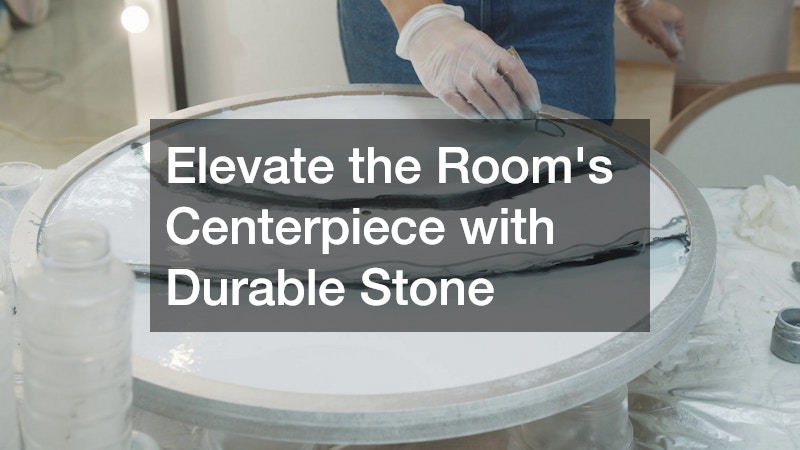
The preparation surfaces dictate the visual impact of the room and often serve as the tipping point for a buyer’s decision. Cracked ceramic tile, peeling edge-banded laminate, or heavily scratched, stained butcher block immediately date the space and result in lower initial offers. Buyers expect premium, low-maintenance surfaces that can withstand heavy daily use, hot pans, and wine spills without requiring constant resealing or specialized care.
-
Select High-Yield Materials: Carefully vet a countertop contractor to source durable, non-porous materials like engineered quartz, quartzite, or professionally sealed natural granite. Quartz, in particular, offers immense resistance to thermal shock, scratching, and bacterial growth, aligning perfectly with what modern buyers demand in a luxury home.
-
Choose the Right Edge Profile: Avoid overly ornate edge profiles like full bullnose or ogee, which can look dated. Opt for clean, modern edges such as a simple eased edge or a subtle bevel, which blend seamlessly with both transitional and contemporary design styles.
-
Execute Flawless Fabrication: The installation execution matters just as much as the material selection. Scheduling a seamless countertop installation service ensures the new surfaces are perfectly leveled using digital laser templating, the epoxy seams are virtually invisible, and the heavy under-mount sink is safely secured and beautifully sealed prior to the first open house.
-
Coordinate the Backsplash: The new surfaces should be paired with a cohesive, updated backsplash. Extending the stone up the wall as a solid slab creates a luxurious, high-end, seamless look that is incredibly easy to clean and highly sought after by luxury buyers.
Harness Natural Sunlight and Improve Thermal Retention
Natural light makes any space feel more energetic, open, and inviting. Maximizing the sunlight entering the prep zones requires deep-cleaning all exterior and interior glass, removing heavy, dusty drapery, and pruning back exterior landscaping that blocks the sun’s path. During showings, every blind should be pulled up, and every sash should be sparkling clean to blur the line between indoor and outdoor spaces.
-
Upgrade Failing Glass: Drafty, single-pane glass or failing double-pane units with broken, fogged seals ruin thermal efficiency, obstruct views, and look terribly neglected. A high-efficiency window installation to replace these inoperable sashes boosts the room’s overall energy rating, provides excellent acoustic dampening from street noise, and elevates the architectural appeal of the space.
-
Improve Natural Ventilation: Operable, easy-to-open glass—such as casement or awning styles positioned above the sink—is highly sought after by avid home cooks. These styles easily crank outward to generate fresh cross-breezes during heavy meal preparation or quickly clear the room if a dish accidentally burns.
-
Block UV Damage: Modern Low-E (low-emissivity) glass coatings allow visible, natural light to flood the room while actively blocking the harmful ultraviolet rays that prematurely fade expensive custom cabinetry, hardwood flooring, and artwork over time.
Reconfigure the Layout for Maximum Flow and Function

The underlying ergonomics of a cooking space rely on the classic work triangle: the physical, unobstructed path between the stove, the sink, and the refrigerator. This path must flow logically without bottlenecking, allowing multiple people to navigate the room simultaneously. In modern homes, this concept is often expanded into “work zones”—a dedicated prep zone, a cooking zone, and a cleanup zone, each with its own specific storage and counter space.
-
Execute Structural Changes Safely: When restrictive interior walls compromise this flow or isolate the cook from the main living areas, enlisting comprehensive kitchen remodeling services to safely engineer the removal of load-bearing walls creates the highly desirable, interactive open-concept floor plan that dominates today’s real estate market.
-
Optimize Interior Storage: Buyers open every single door and drawer during a tour. Incorporating deep pot-and-pan drawers, heavy-duty pull-out pantry shelves, built-in spice racks, and hidden dual-bin trash pull-outs maximizes the utility of the existing footprint. This demonstrates thoughtful, high-end design that buyers are willing to pay a premium for.
-
Reface Instead of Replace: If the structural layout is fundamentally sound and the cabinet boxes are sturdy, but the doors are aesthetically dated (e.g., heavy oak arches from the 1990s), cabinet refacing or professional factory-grade spray-painting offers a highly lucrative, budget-friendly alternative to full demolition. Replacing the door fronts, adding soft-close hinges, and installing modern brushed brass or matte black hardware instantly modernizes the perimeter without the massive expense and timeline of tearing out the original footprint.
Compiling a physical property binder containing all appliance manuals, material warranties, paint color codes, and paid contractor invoices is the final step in securing a premium valuation. Presenting this beautifully organized documentation on the island during showings provides undeniable proof of the property’s exceptional condition. It shifts the buyer’s mindset from searching for flaws to appreciating the incredible value of the home. Combining functional infrastructure repairs with high-impact visual upgrades creates a resilient, beautiful space that easily passes strict municipal inspections, sparks competitive bidding wars, and locks in the highest possible market valuation.
Ultimately, this dual approach to home preparation eliminates the most common leverage points buyers use during negotiations. When the plumbing is flawless, the climate control is balanced, the electrical systems are code-compliant, and the surfaces are premium, the inspection contingency phase becomes a mere formality rather than a battleground for price reductions and seller credits. You strip away the buyer’s ability to nickel-and-dime the asking price. By investing the time and capital to fortify the room’s unseen bones before polishing its architectural finishes, you dictate the terms of the sale, securing a frictionless transaction and locking in the maximum financial return on your property.