
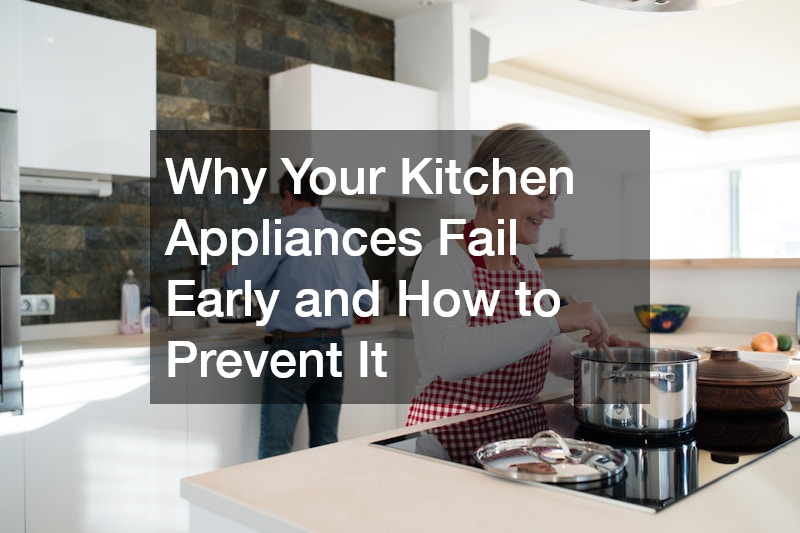
A refrigerator that dies at five years old or a dishwasher that quits after two isn’t just bad luck. Most kitchen appliances are engineered to last ten to fifteen years, yet a surprising number fail long before that. The culprits are often hiding in plain sight: hard water, overloaded circuits, poor ventilation, and small maintenance tasks that get skipped for years at a time. Understanding what shortens appliance life makes it much easier to catch problems early and avoid expensive replacements.
Hard Water Is Quietly Damaging Your Dishwasher and Water Heater
Mineral-heavy water is one of the most overlooked causes of early appliance failure. Calcium and magnesium deposits build up inside dishwashers, coffee makers, and water heaters, forcing heating elements to work harder and eventually burn out. Over time this buildup also clogs small water lines and valves, leading to leaks or reduced performance that homeowners often mistake for normal wear.
Installing water treatment systems can significantly reduce this strain by softening incoming water before it ever reaches your appliances. Many homeowners also choose to run alkaline water through separate filtration setups for drinking purposes, which is a different concern from hardness but often gets addressed at the same time when people upgrade their whole-home filtration. Either way, treating water at the source protects everything downstream, from the kettle to the ice maker.
- Descale your dishwasher and coffee maker every three to six months
- Check your water heater’s anode rod annually if you have hard water
- Consider a water test kit to measure hardness before investing in equipment
- Clean faucet aerators regularly to spot mineral buildup early
Overloaded Electrical Circuits Shorten Appliance Lifespan
Kitchens draw enormous amounts of power, especially with microwaves, ovens, refrigerators, and dishwashers often running at the same time. When circuits are overloaded, appliances receive inconsistent voltage, which stresses motors, compressors, and control boards. This is one of the least visible reasons appliances die early, since the damage happens gradually rather than all at once.
Many older homes simply weren’t wired for the electrical demands of modern kitchens. If you notice flickering lights, warm outlets, or breakers that trip frequently, it’s worth having an electrician evaluate whether your cables and panel can handle the load. Upgrading wiring isn’t glamorous, but it protects thousands of dollars in appliances at once.
- Avoid plugging multiple high-wattage appliances into the same outlet
- Watch for warm or discolored outlet covers
- Have an electrician inspect aging cables in kitchens over 20 years old
- Use dedicated circuits for refrigerators and ovens when possible
Grease and Ventilation Problems Wear Down Range Hoods and Ovens
Grease buildup inside range hoods and exhaust fans forces motors to work harder while trapping heat around your stove and oven. Over months and years, this added heat and strain shortens the life of internal components. Poor ventilation also allows moisture to linger in the kitchen, which can corrode metal parts in nearby appliances.
Disposing of grease properly matters just as much as cleaning the hood itself. Pouring used cooking oil down the drain is one of the most common kitchen habits that leads to plumbing backups, which in turn can affect dishwashers connected to the same lines. Storing used cooking oil in a sealed container for recycling or trash disposal keeps both your plumbing and your ventilation system healthier.
- Clean range hood filters monthly if you cook frequently
- Never pour grease or oil down the sink
- Check exhaust ducts annually for grease accumulation
- Keep a dedicated container for used cooking oil near the stove
Plumbing Connections Behind Refrigerators and Dishwashers Need Regular Checks
Many kitchen appliances rely on direct water lines, and these connections are a common point of failure. Supply hoses degrade over time, and small leaks often go unnoticed until they cause water damage to flooring or cabinetry. Refrigerator ice makers and dishwashers are especially prone to this because their hoses are hidden and rarely inspected.
If you notice unexplained puddles, musty smells, or warped flooring near appliances, it’s worth calling local plumbers before the damage spreads further. Professionals can spot early signs of hose deterioration and recommend braided steel replacements that last significantly longer than standard rubber lines. Catching a small leak early is far cheaper than replacing a water-damaged floor or an appliance that short-circuited from water exposure.
- Inspect supply hoses every six months for cracking or bulging
- Replace rubber hoses with braided stainless steel versions
- Shut off water valves when appliances will be unused for extended periods
- Schedule a professional plumbing check if leaks recur
Manufacturing Quality and Installation Standards Affect Long-Term Durability
Not all appliances are built to the same standard, and installation quality matters just as much as the product itself. Budget models often use thinner insulation, lower-grade compressors, and simplified control boards that wear out faster under daily use. Mid-range and premium units typically offer better warranties and more durable components, which can make a noticeable difference over a 10-15 year lifespan.
Installation errors compound these weaknesses, especially in manufactured homes where space constraints and specialized hookups are common. A refrigerator installed without at least 1-2 inches of clearance on each side can overheat its compressor, while a dryer vented improperly can trap moisture and strain its motor. Uneven leveling on washing machines causes excessive vibration that loosens internal parts over time, and improper electrical hookups—like using the wrong voltage or an ungrounded outlet—can damage sensitive electronics almost immediately.
Ventilation clearance issues are particularly common in manufactured homes, where utility closets and kitchen layouts are often more compact than in site-built houses. Gas appliances also require correct line sizing and pressure regulation, since even small deviations can affect performance and safety.
Working with a reputable manufactured home company during construction or renovation ensures appliances are installed according to manufacturer specifications from day one. These companies understand the unique structural and electrical requirements of manufactured housing, reducing the risk of costly retrofits or premature appliance failure down the road.
Skimping on installation to save money often costs more later in repairs or early replacement. A washing machine that isn’t leveled within a degree or two will vibrate excessively during spin cycles, gradually loosening internal bearings and suspension components that are expensive to repair. A refrigerator pushed too close to a wall without the manufacturer’s recommended one to two inches of airflow clearance forces the compressor to work harder, shortening its lifespan by months or even years.
Dishwashers and gas ranges carry their own installation risks. An improperly connected dishwasher hose can lead to slow leaks that warp cabinetry and corrode electrical connections long before the appliance itself shows signs of failure. Gas ranges installed without proper leveling or venting can suffer uneven heating and, in worse cases, pose safety hazards that void manufacturer warranties entirely.
Electrical considerations matter just as much as physical placement. Appliances plugged into circuits that don’t match their voltage or amperage requirements are prone to overheating and premature component failure. Taking installation seriously from the start — including hiring a qualified technician when manufacturers recommend it — prevents many of the issues homeowners later blame on the appliance brand itself.
- Confirm appliances are level after installation using a bubble level; unlevel washers vibrate excessively and unlevel refrigerators can cause door seal and compressor issues
- Leave manufacturer-recommended clearance around refrigerators and ovens (typically 1-2 inches on sides and 2-3 inches in back) to allow proper airflow and prevent overheating
- Verify electrical and water connections meet code requirements, including dedicated circuits for high-draw appliances like ranges and proper shut-off valves for dishwashers and ice makers
- Check that gas connections are leak-tested and use flexible connectors rated for the appliance
- Ask installers for documentation on warranty terms, including what voids coverage and whether professional installation is required to keep it valid
- Keep receipts and installation records, since many manufacturers require proof of proper setup for warranty claims
Replacement Parts and Repair Timing Matter More Than Most Homeowners Realize

When an appliance starts malfunctioning, the temptation is often to replace the whole unit rather than repair it. But full replacement can cost three to five times more than a targeted fix, and in many cases, sourcing quality appliance parts and making that repair can add years of functional life for a fraction of the price.
The key is knowing which components are worth replacing. Compressors, control boards, heating elements, thermostats, and door seals are frequently replaceable if the surrounding structure of the appliance is still sound. A refrigerator compressor replacement, for example, typically runs $200 to $600, compared to $1,000 or more for a new comparable unit.
Timing matters just as much as the part itself. Addressing a failing component early — before it damages adjacent systems — often keeps repair costs low and prevents a small issue from cascading into a total breakdown. A worn heating element left unaddressed in a dryer, for instance, can strain the motor and thermostat until multiple parts fail at once.
Homeowners should also weigh the appliance’s age and warranty status before committing to a repair. As a general rule, if a unit is under eight years old and the repair costs less than half the price of replacement, fixing it is usually the smarter financial move.
The key is acting quickly once a problem appears, since minor issues often cascade into bigger failures if ignored. A refrigerator making unusual noises, for example, may just need a new fan motor or a $20 condenser coil cleaning rather than a full replacement costing over $1,000. Waiting even a few weeks can allow a small mechanical strain to burn out a compressor, turning a simple fix into a total loss.
Timing also matters in a less obvious way: many parts become harder or more expensive to find as appliances age. Manufacturers typically stock replacement parts for 7 to 10 years after a model is discontinued, so a repair that’s a quick, affordable order in year three can turn into a costly special order—or an impossible search—by year twelve.
Kitchen Renovations Can Accidentally Shorten Appliance Life
Homeowners undergoing kitchen updates sometimes overlook how construction dust and chemical fumes affect sensitive appliance components. Paint particles and dust can clog vents and filters, particularly in refrigerators and range hoods, if appliances aren’t properly covered during work. Hiring a professional painter who understands how to protect surrounding fixtures reduces this risk considerably.
Timing also matters during renovations, since appliances left uncovered near fresh interior painting services can absorb fumes and fine particulates into their motors and vents. It’s generally best to remove appliances from the room entirely if a major paint job is underway, or at minimum seal them tightly with plastic sheeting. This small precaution prevents avoidable damage that isn’t covered by most manufacturer warranties.
- Cover appliances fully during any painting or renovation work
- Ventilate the kitchen well after using strong paints or finishes
- Disconnect sensitive electronics during heavy construction dust exposure
- Ask your contractor about protective measures before work begins
Storing Unused Appliances Properly Prevents Hidden Damage

Homeowners renovating kitchens or moving often need somewhere to keep appliances temporarily, and improper storage can cause more damage than expected. Extreme temperatures, humidity, and dust in a garage or shed can corrode metal components and degrade rubber seals over just a few months. Renting a climate-controlled self storage unit is a practical solution for protecting appliances during a renovation or transition period.
It’s also important to prepare appliances properly before storing them, since leftover moisture or food residue can attract pests or create mold. Defrosting freezers fully, drying dishwasher interiors, and disconnecting water lines beforehand all reduce the risk of damage while appliances sit unused. Taking these steps ensures appliances come out of storage in the same condition they went in.
- Choose climate-controlled storage for sensitive appliances
- Clean and dry appliances thoroughly before storing
- Disconnect and coil cables neatly to avoid damage
- Elevate appliances slightly off the ground to prevent moisture exposure
Early appliance failure is rarely random; it’s usually the result of small, preventable issues that build up over time. By addressing water quality, electrical load, plumbing connections, and proper maintenance habits, homeowners can extend appliance lifespan well beyond the average. Start with a quick inspection of your kitchen’s water lines, outlets, and ventilation this week, and tackle whichever issue seems most urgent first. A little attention now can save thousands of dollars in premature replacements down the road.