

A kitchen renovation is one of the most impactful upgrades a homeowner can make. It’s not just about improving how a space looks. It’s about enhancing how it works every single day. From meal prep and family gatherings to entertaining guests, the kitchen plays a central role in daily life.
Too often, renovations are driven by trends rather than long-term needs. While a space might look great initially, it can quickly become outdated or inefficient if it isn’t designed with durability and functionality in mind. The key to a successful renovation is finding the balance between style and performance.
By focusing on thoughtful planning, quality materials, and systems that support your lifestyle, you can create a kitchen that not only looks beautiful but continues to perform well for years to come.
Start with a Clear Plan and the Right Team

Every successful renovation begins with a solid plan and the right professionals to bring it to life. This foundation not only sets clear expectations but also ensures that every detail is considered, from budget to timeline. Researching and selecting skilled contractors, designers, and specialists who understand your vision is crucial. They can provide valuable insights and help avoid common pitfalls. Effective communication throughout the process allows for adjustments and refinements, ensuring that the final result aligns with your goals. With careful planning and a dedicated team, you can transform your space into something truly extraordinary.
Define Your Goals Before You Design
Before selecting finishes or layouts, take time to understand how you use your kitchen. Think about what works, what doesn’t, and what you want to improve.
Consider:
- How often you cook and entertain
- Storage needs and organization
- Traffic flow within the space
Clear priorities help guide decisions and prevent costly changes later.
Choose Professionals Who Align with Your Vision
Working with experienced kitchen remodeling companies ensures that your ideas are translated into a cohesive plan. These teams understand how to balance design and function while managing the complexities of a renovation, including coordinating key elements like countertop installation to ensure a seamless fit and finish.
At the same time, skilled kitchen remodeling contractors play a key role in executing the project with precision. Their attention to detail ensures that every element, from cabinetry to countertop installation, is completed correctly and built to last.
Create a Realistic Timeline and Budget
Planning ahead is essential for any project, as it helps avoid delays and unexpected expenses. By creating a detailed plan, you can identify potential challenges and develop strategies to mitigate them. Include room in your budget for contingencies, as this will give you a financial cushion if unexpected costs arise. Additionally, it’s important to allow flexibility in your timeline for unforeseen challenges.
Consider breaking down larger goals into manageable milestones, which can help you stay on track and make adjustments as needed. Regularly review your progress and be open to revising your plans when necessary. Communication is also key—keep all stakeholders informed to prevent misunderstandings that could lead to delays.
Lastly, cultivate a proactive mindset. Anticipate possible obstacles and brainstorm solutions ahead of time.This way, you’ll be better prepared to adapt when issues do emerge, ensuring that your project remains on course and within budget. Overall, thoughtful planning not only streamlines the process but also enhances your ability to respond to challenges effectively.
Build a Layout That Supports How You Actually Use the Space
A well-designed layout is the foundation of a functional kitchen. It optimizes the workflow by ensuring that the key areas—cooking, prep, and storage—are efficiently placed for ease of access. An effective kitchen layout considers the work triangle concept, which emphasizes the relationship between the stove, refrigerator, and sink. This minimizes unnecessary steps, making cooking and meal prep more enjoyable.
Incorporating sufficient counter space and strategically placed islands can enhance functionality, allowing multiple tasks to occur simultaneously. Proper storage solutions, such as deep drawers and pull-out shelves, can also keep clutter at bay while making it easy to find and access kitchen essentials.
Lighting is another crucial element, as it can greatly influence the atmosphere and functionality of the space. Task lighting and over prep areas combined with ambient lighting create a well-lit environment that’s both practical and inviting. Additionally, aesthetics should not be overlooked; integrating your personal style through color schemes, materials, and fixtures can make the kitchen a welcoming heart of the home.
A well-thought-out kitchen layout not only improves efficiency but also transforms the space into a hub for family gatherings and culinary creativity. Creating designated zones for cooking, prep, and cleaning helps improve efficiency and reduce unnecessary movement.
Maximize Storage Without Sacrificing Design
Storage is essential, but it should not compromise the look of the space. Smart solutions include:
- Deep drawers for pots and pans
- Pull-out shelves for easy access
- Vertical storage for maximizing space
Work with Experts to Optimize Space
Experienced kitchen contractors can identify opportunities to improve layout and functionality. Their expertise helps prevent common mistakes, such as overcrowded work areas or inefficient storage placement.
Invest in Surfaces That Last and Perform
Surfaces take the most wear in a kitchen, so choosing the right materials is critical. The kitchen is a hub of activity, often subjected to heat, moisture, and frequent use, making durability a top priority. When selecting materials for countertops, backsplashes, and flooring, consider options like granite or quartz for countertops due to their resistance to scratches and stains. For backsplashes, ceramic tiles can provide both aesthetic appeal and easy maintenance. Additionally, hardwood floors can add warmth to a kitchen but require proper sealing to withstand spills.
It’s also important to think about how these materials fit your cooking habits and lifestyle. For example, if you frequently entertain or have kids, materials that are easy to clean and can withstand tough conditions will be beneficial. The right choices not only enhance the kitchen’s functionality but also contribute to its overall design and longevity. Balancing aesthetics with practicality will ensure your kitchen remains both beautiful and resilient for years to come.
Choose Materials Based on Daily Use
Durability should be a top priority. Consider how your surfaces will be used and select materials that can handle daily wear and tear. Durability should be a top priority. Consider how your surfaces will be used and select materials that can handle daily wear and tear. For example, if you are choosing flooring for a high-traffic area, opt for tougher materials like porcelain tile or hardwood with a strong finish. Additionally, think about potential exposure to moisture, heat, or stains, and choose surfaces that can withstand those elements without deteriorating.
Plan for Proper Installation and Fit
A well-installed surface not only lasts longer but also maintains its aesthetic appeal. Ensure that professionals who handle the installation understand the specific requirements of the materials you’ve chosen. This can help avoid common issues like warping, cracking, or gaps that can occur with improper fitting.
Moreover, consider the maintenance needs of your chosen materials. Some surfaces may require special cleaning products or techniques to keep them looking their best over time. Being proactive about maintenance can significantly extend the life of your surfaces and ensure they continue to meet your functional and aesthetic needs.
By prioritizing both the durability of materials and the quality of installation, you can create spaces that remain beautiful and functional for years to come.
Balance Style With Practicality
While it’s important to choose materials that look good, they should also be easy to maintain. Neutral, timeless options tend to hold up better over time than overly trendy choices.
Blend Style Elements That Add Character Without Overpowering

Design elements should enhance the space without overwhelming it.
Incorporate Texture and Warmth Thoughtfully
Adding texture through materials and finishes can create a welcoming environment. Rustic home decor elements, such as wood accents or natural finishes, can add warmth without dominating the design.
Create a Focal Point That Enhances the Space
A well-placed feature can anchor the room and draw attention. For example, wood fireplaces can serve as a focal point in open-concept spaces, connecting the kitchen to adjacent living areas.
Keep the Design Cohesive Across the Home
Consistency is key. Ensure that design elements in the kitchen complement the rest of the home, creating a seamless flow from one space to another.
Plan for Expansion and Future Needs
A renovation should consider not only current needs but also future changes. This means taking into account potential lifestyle shifts, such as a growing family, changes in work-from-home dynamics, or even aging in place.
Flexibility in design can be crucial; for example, creating convertible spaces that can adapt to different functions over time. Investing in durable materials and classic finishes can also ensure that the space remains timeless and can withstand the wear and tear of everyday life.
Incorporating sustainable practices and smart home technology not only enhances the current living experience but also prepares the home for innovations in energy efficiency and convenience. With these factors in mind, a renovation can truly become a long-term investment, adding value and comfort for many years to come.
Think Beyond Your Current Layout
Lifestyle changes, such as growing families or new routines, can impact how a kitchen is used. Planning ahead helps ensure that the space remains functional over time.
Know When to Expand Instead of Rearranging
In some cases, expanding the kitchen may be the best solution. Custom home additions can provide the extra space needed for improved functionality and comfort.
Coordinate Projects for Efficiency
Combining kitchen upgrades with broader home remodeling services can streamline the renovation process. This approach reduces disruption and allows for better integration of design elements.
Upgrade Systems That Support Comfort and Reliability
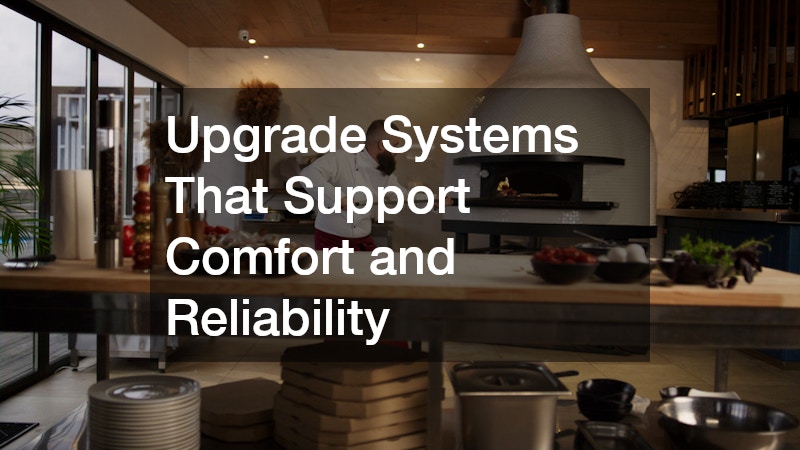
Behind every great kitchen is a set of systems that keep it running smoothly. From meticulous organization of utensils and ingredients to the precise timing of each dish, these systems ensure efficiency and creativity can flourish. A well-planned kitchen layout allows for sea less movement, reducing the chance of accidents and promoting teamwork among chefs and staff. Inventory management helps avoid waste and ensures that fresh ingredients are always on hand. Additionally, establishing clear communication channels among the team can make a significant difference in service speed and quality. Ultimately, a great kitchen is not just about the food; it’s about the harmony and structure that allows culinary artistry to thrive.
Ensure Proper Ventilation and Airflow
Cooking generates heat, moisture, and odors that need to be managed effectively. HVAC services play a critical role in maintaining air quality and comfort.
Plan for Power Reliability
Modern kitchens rely heavily on electricity. Generator installations can provide backup power, ensuring that essential appliances continue to function during outages.
Integrate Systems Seamlessly into Design
While functionality is important, systems should be integrated in a way that does not disrupt the overall aesthetic. Careful planning ensures that vents, outlets, and equipment are both accessible and visually unobtrusive.
Create a Maintenance Plan to Protect Your Investment
A renovation is only as good as the care it receives over time. When investing in a remodel, it’s essential to consider not just the initial aesthetic improvements but also the long-term maintenance required to keep those enhancements looking their best. Regular upkeep, such as cleaning, painting, and repairing any wear and tear, can significantly extend the life of your investment. Staying proactive about seasonal maintenance tasks—like gutters, roofing, and landscaping—will ensure that potential issues are addressed before they become costly problems. Ultimately, a renovated space can thrive and evolve over the years, providing lasting value and enjoyment when it’s treated with the attention it deserves.
Develop Simple Cleaning and Care Routines
Regular cleaning helps maintain the appearance and performance of your kitchen. Focus on:
- Wiping down surfaces daily
- Cleaning appliances regularly
- Addressing spills and stains promptly
Schedule Periodic Inspections and Updates
Routine inspections can help identify issues early. Checking for wear and addressing minor problems prevents them from becoming larger concerns.
Extend the Life of Your Renovation
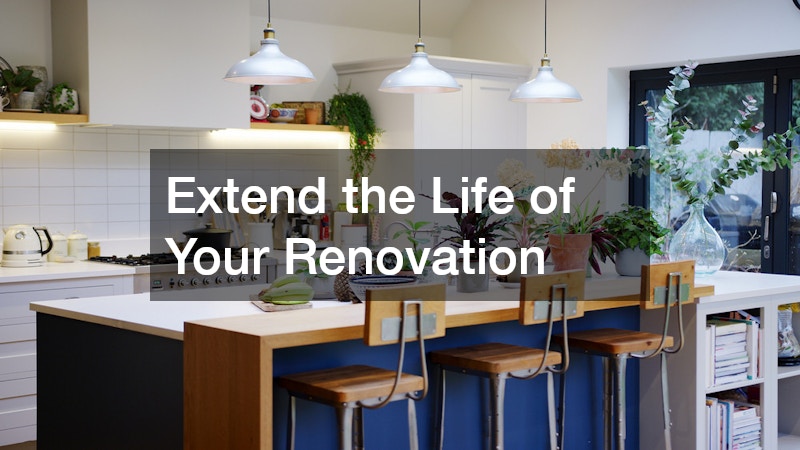
Small habits can make a big difference. Taking care of your kitchen ensures that it continues to perform well and look great for years to come.
A successful kitchen renovation is about more than creating a beautiful space. It’s about designing a kitchen that works efficiently, supports your lifestyle, and stands the test of time.
By focusing on thoughtful planning, quality materials, and reliable systems, you can create a space that delivers both style and performance. Investing in the right professionals and maintaining your kitchen over time ensures that your renovation continues to provide value long after the work is complete.
Taking a long-term approach allows you to enjoy a kitchen that not only meets your needs today but continues to adapt and perform for years to come.