
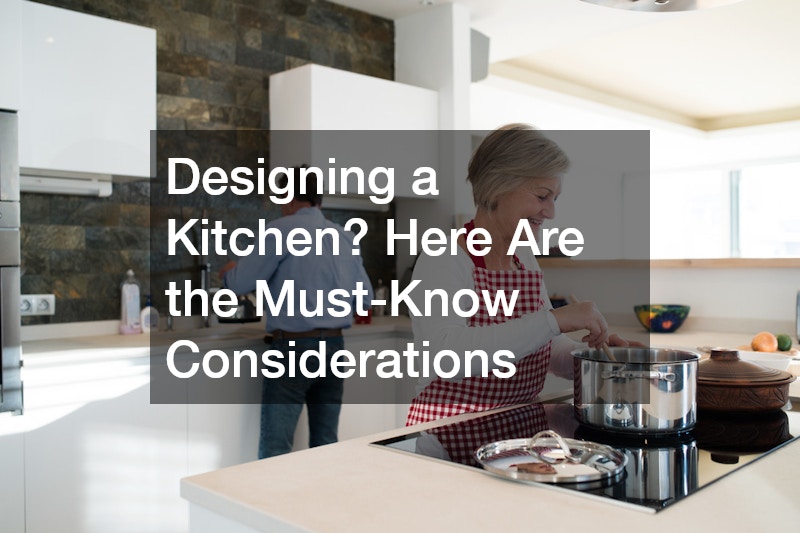
Designing a kitchen is one of the most exciting and impactful home improvement projects a homeowner can undertake. It’s more than just picking cabinets and appliances — it’s about creating a space that is functional, efficient, and comfortable for everyday use. The kitchen is often the heart of a home, where families gather, meals are prepared, and entertaining takes place. A thoughtfully designed kitchen can streamline cooking, maximize storage, and enhance the overall aesthetic of your home.
To achieve a kitchen that works for your lifestyle, you need to carefully consider layout, materials, lighting, and storage. Every decision — from countertop selection to appliance placement — can have a significant effect on both functionality and long-term value. This guide provides practical, actionable tips for homeowners looking to design or remodel their kitchen, covering everything from material choices to safety considerations and custom features that make your kitchen uniquely yours.
Plan Your Kitchen Layout for Maximum Efficiency
A well-planned kitchen layout can significantly improve workflow and make everyday tasks easier. Popular configurations include L-shaped, U-shaped, galley, and open-concept layouts. Each design has unique advantages: L-shaped kitchens work well in smaller spaces, U-shaped layouts offer ample counter and storage space, galley kitchens optimize efficiency in narrow areas, and open-concept kitchens create a seamless flow into living or dining spaces. Homeowners should consider the “kitchen work triangle” — the ideal relationship between the sink, stove, and refrigerator — to minimize walking distance and increase efficiency.
When planning your layout, also consider traffic flow and ergonomics. Ensure there is enough clearance for multiple people to move comfortably, especially around islands or seating areas. A kitchen that is easy to navigate and logically arranged enhances cooking efficiency and overall comfort. For personalized guidance, consulting kitchen designs and experienced local remodeling companies can provide insights and solutions tailored to your space. Professionals can evaluate your unique requirements and help create a design that maximizes both functionality and aesthetics.
Choose the Right Countertops for Durability and Style
Countertops are central to both the function and look of your kitchen. They must withstand daily use, resist stains, and complement the overall design. Quartz countertops and granite countertop surfaces are popular choices for homeowners seeking durability and elegance. Quartz is low-maintenance, non-porous, and available in a wide range of colors and patterns, while granite offers natural beauty and heat resistance. Other options include solid surface materials, laminate, and marble, each with unique benefits and aesthetic appeal.
Investing in high-quality countertops offers both practical and aesthetic benefits that elevate the kitchen experience. Durable surfaces resist scratches, stains, and heat, allowing homeowners to cook and prepare meals with confidence and minimal maintenance. High-end countertops also provide a smooth, easy-to-clean workspace, improving hygiene and making daily kitchen tasks more efficient. Beyond functionality, premium countertops serve as a focal point that enhances the overall design, tying together cabinets, flooring, and backsplash elements. The choice of material and finish can create a sense of luxury, sophistication, or warmth, depending on the desired style. Ultimately, quality countertops improve workflow, add long-term value to the home, and make the kitchen both beautiful and highly functional.
When selecting countertops, consider both durability and style. Materials should match your lifestyle; for example, families with young children may prioritize stain-resistant surfaces, while avid cooks may seek heat-resistant options. You can also use a bullet list to compare materials:
- Quartz countertops: Non-porous, stain-resistant, low-maintenance
- Granite countertop: Natural patterns, heat-resistant, long-lasting
- Laminate: Budget-friendly, easy to clean, wide design options
- Marble: Elegant, cool surface, requires sealing
Ultimately, your countertop choice should balance functionality, maintenance needs, and the desired aesthetic to create a surface that enhances both form and function.
Optimize Storage with Smart Cabinetry and Pantry Planning
Maximizing storage is critical in any kitchen design. Beyond traditional cabinets, consider innovative solutions such as pull-out shelves, lazy Susans, vertical storage racks, and deep drawers. These features help keep pots, pans, and utensils organized while minimizing clutter. A carefully planned layout ensures that frequently used items are easily accessible, enhancing convenience and efficiency during cooking.
Incorporating a pantry can further optimize storage. Consulting a pantry designer can help you create a custom layout that meets your specific needs, from bulk food storage to specialized shelving for appliances. Some key storage considerations include:
- Adjustable shelves for flexibility
- Pull-out racks for canned goods and spices
- Vertical storage for baking sheets and cutting boards
- Drawer dividers for utensils and small items
Effective storage planning not only improves functionality but also contributes to a cleaner, more organized kitchen environment. Working with professionals ensures that every inch of space is utilized efficiently, resulting in a kitchen that is both practical and visually appealing.
Focus on Safety and Fire Protection in the Kitchen

Safety is an essential aspect of kitchen design. The placement of stoves, ovens, and other appliances should minimize the risk of accidents. Use fire-resistant materials for surfaces near cooking areas and ensure proper ventilation to prevent the accumulation of smoke or heat. Incorporating fireproof finishes, flame-retardant countertops, and spark-resistant backsplashes can enhance safety without compromising design.
Fire protection measures should also include strategically placed fire extinguishers, smoke detectors, and, in some cases, automatic suppression systems. For families with children or pets, additional precautions such as stove guards or heat shields may be worthwhile. Ensuring that safety features are integrated seamlessly into your kitchen design allows you to create a space that is both beautiful and secure.
Plan Electrical Layouts and Upgrades for Modern Kitchens
A modern kitchen requires careful planning of electrical outlets and circuits. Adequate placement ensures that appliances, lighting, and charging stations can function safely and efficiently. Plan for high-load appliances such as ovens, microwaves, and refrigerators, as well as outlets for small countertop devices. Strategic positioning of outlets reduces cord clutter and improves convenience during cooking.
Hiring professionals for electrical services or electrical repair is often necessary for rewiring, adding circuits, or installing specialized outlets. Some considerations include:
- Outlets near countertop work areas for convenience
- Under-cabinet lighting to improve task visibility
- GFCI outlets near water sources for safety
- Dedicated circuits for high-power appliances
Proper electrical planning ensures your kitchen meets current safety standards, supports modern appliances, and enhances the overall functionality of your space.
Select Flooring and Wall Surfaces for Functionality and Style
Choosing the right flooring and wall surfaces can greatly impact both practicality and design. Kitchen floors must withstand spills, heavy foot traffic, and moisture while complementing the overall aesthetic. Popular options include tile, hardwood, luxury vinyl, and concrete. Tile and vinyl offer easy cleaning and water resistance, while hardwood provides warmth and elegance. Concrete floors can be coated with epoxy coating for durability and a sleek, modern look.
For walls, backsplashes not only protect surfaces from splashes but also allow for creative expression. Coordinating backsplash materials with countertops and cabinetry creates a cohesive, visually appealing look. Consider materials that are durable, easy to clean, and resistant to moisture. Thoughtful selection of flooring and wall surfaces ensures a kitchen that is both stylish and built to withstand daily use.
Maximize Lighting for Both Practicality and Atmosphere

Lighting affects both the functionality and ambiance of a kitchen. Layered lighting strategies, including ambient, task, and accent lighting, ensure the space is bright enough for cooking while providing warmth and atmosphere for entertaining. Recessed ceiling lights, pendant lights over islands, and under-cabinet lighting can be combined to create a well-lit, inviting environment.
Proper lighting in a kitchen goes far beyond aesthetics—it directly impacts functionality, safety, and the overall atmosphere. Well-planned lighting ensures that work areas, such as countertops, sinks, and cooking stations, are adequately illuminated, reducing the risk of accidents while making meal preparation easier and more efficient. Layered lighting, which combines ambient, task, and accent lights, allows homeowners to adjust the brightness and mood according to the activity, whether cooking, entertaining, or relaxing. Good lighting also highlights design features, from cabinetry to backsplashes, enhancing the visual appeal of the space. Additionally, maximizing natural light through windows or skylights can reduce energy costs while creating a warm, inviting environment. Overall, thoughtful lighting transforms the kitchen into a safer, more functional, and aesthetically pleasing heart of the home.
Natural light is another important consideration. Strategically placed windows, skylights, or glass doors can brighten the space, reduce energy costs, and enhance the overall mood. Adequate lighting improves safety, reduces eye strain during food prep, and highlights design features like countertops, cabinetry, and decorative elements.
Integrate Appliances Seamlessly Into Your Design
Appliances are a major factor in both kitchen functionality and aesthetic appeal. Built-in options allow for a seamless, cohesive look, while freestanding units can be more flexible for rearrangement. Consider the placement of refrigerators, ovens, microwaves, and dishwashers to optimize workflow.
Upgrading kitchen appliances offers a wide range of benefits, from improved efficiency to enhanced functionality. Modern appliances are often more energy-efficient, which can significantly reduce utility bills while minimizing environmental impact. Newer models also come with advanced features that make cooking, cleaning, and food storage easier and more convenient, such as programmable ovens, smart refrigerators, and quiet, high-performance dishwashers. Upgrading appliances can also enhance the aesthetic appeal of a kitchen, as sleek, modern designs create a cohesive, polished look that complements cabinetry and countertops. Beyond style, reliable appliances reduce maintenance issues and the risk of breakdowns, saving homeowners time, money, and frustration in the long run. Ultimately, investing in high-quality appliances improves both the day-to-day experience in the kitchen and the long-term value of the home.
Energy-efficient, smart appliances not only reduce utility costs but also improve convenience and performance. For example, refrigerators with adjustable shelves and touch controls, ovens with programmable settings, and dishwashers with quiet operation all enhance the cooking experience. Thoughtful integration ensures that appliances complement the overall design while meeting your functional needs.
Add Functional and Stylish Counter Spaces
Counter space is essential for cooking, prepping, and entertaining. Kitchen islands, breakfast bars, and dedicated workstations expand usable surfaces and provide additional storage. When choosing materials, consider durability and maintenance. Options such as countertop finishes, quartz countertops, and granite countertop surfaces offer both practical and aesthetic benefits.
Countertops can dramatically elevate the visual appeal of a kitchen by acting as a central design element. Their color, texture, and finish set the tone for the entire space, complementing cabinets, flooring, and backsplashes. A smooth, polished surface can create a modern and sophisticated look, while a textured or matte finish can bring warmth and a more relaxed, inviting feel. Countertops also provide opportunities for visual contrast or cohesion, helping to balance the kitchen’s elements and highlight focal points such as islands or prep areas. When thoughtfully chosen, countertops enhance the overall harmony and style of the space, making the kitchen feel both intentional and inviting.
Well-designed counter areas also support multiple tasks simultaneously, whether it’s meal prep, casual dining, or homework for kids. Additional features like built-in cutting boards, charging stations, or beverage nooks can make your counters even more functional. A thoughtfully planned countertop arrangement enhances both efficiency and enjoyment of the space.
Personalize Your Kitchen With Unique Features

Custom touches can elevate a kitchen from functional to inspiring. Statement backsplashes, open shelving, decorative hardware, and unique lighting fixtures allow homeowners to express their personal style. Other additions, such as built-in wine racks, seating areas, or a coffee station, add functionality while enhancing visual appeal.
Balancing practicality and personalization is key. Too many decorative elements can clutter the space, while strategic choices create a kitchen that feels tailored to your lifestyle. Consulting with professionals ensures that these features integrate seamlessly into the design without compromising workflow, storage, or safety.
Designing a kitchen involves careful planning, thoughtful selection of materials, and attention to both functionality and aesthetics. By considering layout, storage, countertops, lighting, appliances, and safety measures, homeowners can create a kitchen that enhances both daily life and long-term home value.
Professional guidance from remodeling experts and designers ensures that your vision is executed efficiently and effectively. From material selection to electrical upgrades, expert input helps prevent costly mistakes and ensures your kitchen is safe, functional, and visually appealing.
Investing in high-quality countertops, durable surfaces, and energy-efficient appliances contributes to a kitchen that performs well for years to come. Personal touches and thoughtful design choices further elevate the space, making it a reflection of your lifestyle and taste.
Ultimately, a well-designed kitchen is more than a cooking space — it’s a hub for family gatherings, entertaining, and creating memories. By carefully considering every element, from layout to lighting to storage, homeowners can enjoy a beautiful, functional, and long-lasting kitchen that enhances their home and daily life.